

Quick Summary
The Artisan Square is a practical alternative to aftcra for ethically sourced gifts, offering handmade goods with named origins such as baskets from Senegal and silver jewellery from Mali. Shoppers should check who made each item, where, and from what materials before buying.
- Check whether a listing names the maker, region, or workshop rather than vague phrases like globally sourced.
- Confirm that any fair trade certification covers the specific product you are buying.
- Ask how artisans are paid, such as upfront, on delivery, or through a cooperative structure.
- The Senegalese Basket with Lid costs $84.99 and the Large Fula Silver Twist Earrings cost $44.99.
- Set a budget first, then choose a gift category that suits the recipient.
Table of Contents
- What Shoppers Want From an Aftcra Alternative
- How to Verify Ethical Claims Before You Buy
- Fair Trade Stores Online: What Certification Actually Covers
- Unique Eco Friendly Gifts Worth Giving
- Comparing The Artisan Square's Handmade Gift Options
- Ethical Online Stores and Sustainable Gifts From Small Businesses
- Choosing Your Next Ethically Sourced Gift at The Artisan Square
- Frequently Asked Questions
What Shoppers Want From an Aftcra Alternative
Last Updated: November 4, 2026
Looking for an aftcra alternative for ethically sourced gifts? The Artisan Square offers a curated range of handmade goods, from woven baskets to silver jewelry. Most shoppers switching from aftcra want three things: a clear origin for each item, fair prices for the makers, and gifts that feel personal rather than mass-produced.
Ethically sourced gifts are items made under fair labour conditions, with materials and methods that can be traced back to the people who produced them. For many gift buyers, that traceability is the real difference between a thoughtful present and a generic one.
Before you commit to any new shop, check how easily you can answer a few simple questions. Who made this? Where? What is it made from? If the listing cannot tell you, you are paying for branding rather than provenance. A good alternative should answer all three without digging.
How to Verify Ethical Claims Before You Buy
Ethical labels are easy to print and hard to check. A short, repeatable process will help you separate real sourcing from vague marketing language. Start with the product page, then look at the wider business.
Checking Supply Chain Transparency
Look for named makers, regions, or workshops rather than phrases like "artisan-made" on their own. Read our full guide to verifying ethical sourcing for artisan goods. A listing that says "made in Senegal" is more useful than one that says "globally sourced." Ask whether the business explains how it works with its makers and how artisans are paid.
Reading Material and Certification Labels
Read the materials and care notes closely. Natural materials like silver, wood, and woven fibres each carry their own care needs. A product that explains how to look after it usually reflects a maker who has thought about it.
Certification labels can help, but they need context. Treat any certification as one signal among several, and confirm what it actually covers before relying on it.
Fair Trade Stores Online: What Certification Actually Covers
Fair trade is a specific framework, and it does not mean the same thing as "ethical." Fair trade certification is a specific framework, and it does not mean the same thing as "ethical."
When you shop an online store, ask whether its fair-trade claims rest on a certification or on the business's own practices. Both can be legitimate, but they are different kinds of evidence. A store that explains its own sourcing can be just as credible as one that displays a logo.
What a Fair Trade Certification Actually Requires
When you see a fair trade logo, look for a link to the certifier's standards page and check whether the product category you are buying is actually covered.
How to Verify a Store's Fair Trade Claims Yourself
You do not need to be an auditor to check a claim. A short, repeatable process will separate real sourcing from vague marketing language:
Senegalese Basket with Lid - Large →
- Find the certifier. If a store displays a fair trade mark, click through to the certifying body's site and confirm the store or product is listed.
- Check the scope. Confirm the certification covers the specific product you are buying, not just one category the brand sells.
- Look for named makers or workshops. A listing that says "made in Senegal" or names a specific cooperative is more useful than one that says "globally sourced."
- Ask how artisans are paid. A credible store can explain its payment terms in plain language, for example, whether makers are paid upfront, on delivery, or through a cooperative structure.
- Compare the claim to the price. If a handmade item is priced far below what the labor would reasonably cost, the fair trade claim deserves scrutiny.
When There Is No Certification
In that case, look for the same signals in a different form: a named maker, a stated region, a description of the workshop, and a clear explanation of how the business works with its producers.
Unique Eco Friendly Gifts Worth Giving
Handmade gifts work best when they match the person receiving them, but "eco friendly" is a claim worth checking rather than accepting. The most useful question is not whether a gift is marketed as green, but what it is made from, how it was produced, and whether it will last. Here are options from The Artisan Square that suit different tastes and budgets.
- Senegalese Basket with Lid - Large ($84.99): A hand-woven basket about 22 inches tall with a knobbed lid, made in Senegal. It suits anyone who wants storage that doubles as decor.
- Large Fula Silver Twist Earrings - 1½" ($44.99): Handcrafted in Mali, these silver earrings measure 1.5 inches across. Handmade silver jewellery in a classic twist design. They suit someone who values traditional jewellery design.
- African Doll On Stand: LARGE ($34.99): A fabric doll standing 15 to 16 inches tall, made in Senegal. Each doll is unique, so the clothing styles vary.
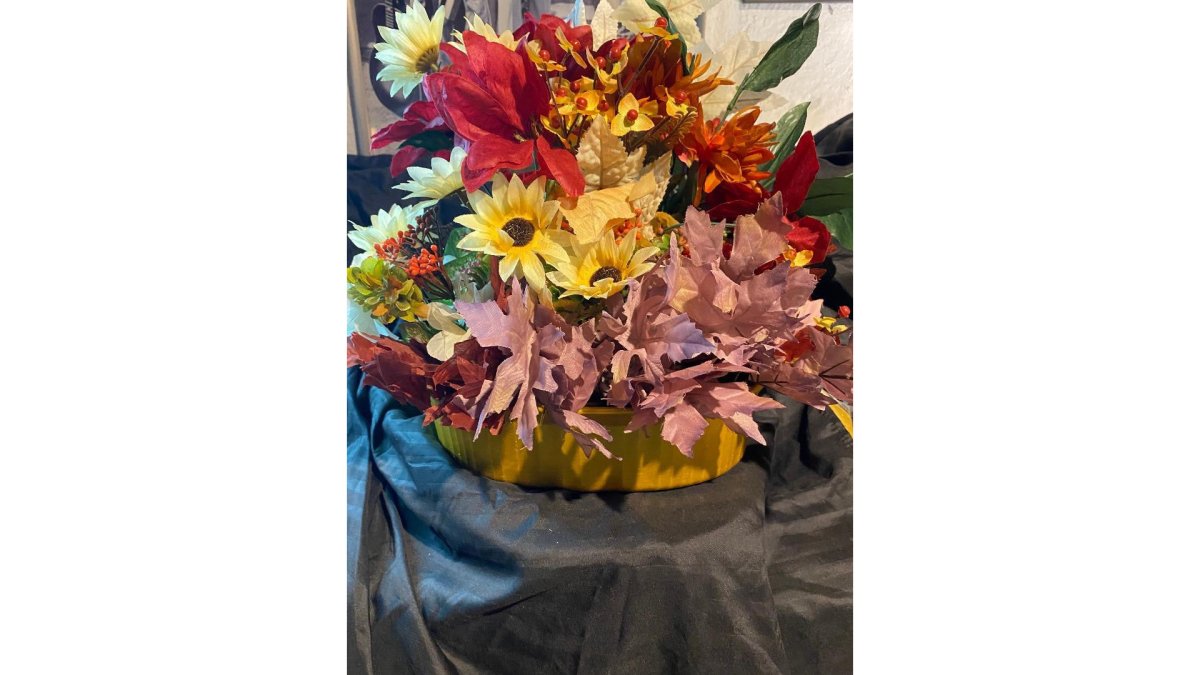
- Floral Centerpiece ($64.99): Hand-painted and hand-arranged on an upcycled CorningWare dish. The centerpiece is an upcycled CorningWare dish, hand-painted and hand-arranged.
Matching the Gift to a Budget
Ethical gifting does not have to mean premium pricing. See how to curate a sustainable home space to find where these gifts fit. The doll at $34.99 and the earrings at $44.99 sit in the same range as mass-market gifts, while the basket and centerpiece are mid-range statement pieces. A practical approach is to set a budget first, then choose the category, storage, jewellery, decor, that fits the recipient, rather than starting from the most expensive item and working down.

What to Check Before You Buy
Read the materials and care notes on each listing. Keep in mind that the basket and the doll are sold individually.
Comparing The Artisan Square's Handmade Gift Options
The table below compares the five catalogue items so you can match a gift to a budget and a recipient.
| Product | Price | Best For |
|---|---|---|
| Senegalese Basket with Lid - Large | $84.99 | Storage and decor |
| Wood Mask | $129.99 | Statement decor |
| African Doll On Stand: LARGE | $34.99 | Collectors and gifts |
| Large Fula Silver Twist Earrings | $44.99 | Jewellery lovers |
| Floral Centerpiece | $64.99 | Dining and entryways |
Pros and cons at a glance:

- Senegalese Basket: Practical and sculptural. Colour varies, so you cannot choose one.
- Wood Mask: A bold cultural piece with a higher price. Each mask differs from the next.
- African Doll: The most affordable option here. Handle with care, since it is fabric.
- Fula Silver Earrings: Lightweight and comfortable to wear. Silver needs gentle cleaning and dry storage.
- Floral Centerpiece: Striking and sustainable. It is a single piece, so once it sells, it is gone.
Ethical Online Stores and Sustainable Gifts From Small Businesses
When you compare online stores, look for named makers, clear origin details, and honest descriptions of each product. Ethical online stores tend to explain their process in plain language rather than relying on sweeping claims.
Choosing Your Next Ethically Sourced Gift at The Artisan Square
Start with the recipient. A collector may want the Wood Mask, while someone who loves everyday beauty may prefer the Floral Centerpiece or the Fula silver earrings. Check the origin and care notes on each listing, then pick the item that fits both your budget and your sourcing standards.
Browse the full catalogue at The Artisan Square to find a handmade gift.
Frequently Asked Questions
What are some ethical online stores besides Aftcra?
Several curated marketplaces sell handmade goods with clear sourcing stories. When comparing them, look for named makers, stated production regions and a returns policy. The Artisan Square lists handcrafted pieces from Senegal, Mali and Cameroon, including a Senegalese basket with lid at 84.99, a Cameroon wood mask at 129.99 and a Fula silver twist earring pair at 44.99. Check each store's maker information before deciding, and compare the details rather than relying on general branding.
What is a fair trade store?
A fair trade store sells goods made under agreed standards for fair pay and working conditions, often verified through a third-party certification. Certification scope varies, so read what a label covers, such as wages, working conditions or materials. Where a store does not name a certifier, ask it directly how it verifies its makers' pay and conditions before treating the label as proof.
How can I tell whether a gift is ethically sourced?
Start with the maker. A product listing should name the artisan or workshop, the country of production and the materials used. Vague wording such as 'artisan-made' alone is not enough. Look for handmade details, such as hand-painting or hand-woven construction, and ask the seller how each piece is produced. Consistent answers across product pages and direct questions are a good sign of real transparency.
What should I look for when choosing an eco-friendly gift?
Check the materials first, then the production method and the packaging. Natural fibres, reclaimed or upcycled materials and small-batch handmade work tend to have a lower impact than mass-produced goods, though no product is impact-free. The Artisan Square's centerpiece, for example, is made from a recycled CorningWare baking dish. Also consider durability, since a long-lasting gift is usually more sustainable than a disposable one.
