

Table of Contents
- Start With Your Home's Foundation: Energy and Water
- Choose Sustainable Home Decor That Tells a Story
- Eco-Friendly Home Ideas for Every Room
- Select Ethically Sourced Home Decor You Can Trust
- Invest in Artisan Home Decor With Purpose
- Budget and Prioritization: Where to Start
- Making It Work: Renters and Small Spaces
- Measure Your Progress and Avoid Greenwashing
- Frequently Asked Questions
Last Updated: October 18, 2026
Start With Your Home's Foundation: Energy and Water
To curate a sustainable home space, start with infrastructure, not décor.
Energy efficiency starts with understanding where your household energy actually goes. According to the U.S. Department of Energy's home energy assessment guide, most homes waste 20-30% of energy due to inefficient systems and poor insulation.
Evaluate your insulation, windows, and air sealing. Poor insulation in attics, walls, and basements creates thermal leaks that force heating and cooling systems to work harder.
Water conservation follows the same principle: identify waste, then prioritize fixes.
The payoff extends beyond lower utility bills: energy and water conservation is the single most effective way to create an environmentally sustainable home.
Energy efficiency and reducing consumption
Energy-efficient homes require both behavioral changes and infrastructure upgrades.
LED lighting consumes 75% less energy than incandescent bulbs and lasts 25 times longer.
ENERGY STAR appliances meet strict EPA efficiency standards. When replacing your refrigerator, washing machine, or dishwasher, choose certified models, these run frequently, so efficiency compounds savings over time.
Consider your home's orientation and natural light. Windows positioned to maximize daylight reduce daytime lighting needs.
Water conservation and efficient fixtures
Water-efficient fixtures are among the easiest sustainable upgrades. A family of four can save roughly 30% of indoor water use by installing low-flow showerheads, faucet aerators, and dual-flush toilets, minimal investment, immediate results.
Outdoor water use matters too: landscaping and irrigation often account for 50% of residential water consumption, especially in drier climates.
Rainwater harvesting captures roof runoff for irrigation or toilet flushing; even a modest system reduces municipal demand.
Choose Sustainable Home Decor That Tells a Story
Once your energy and water systems are optimized, décor becomes the visible expression of your sustainability commitment.
At The Artisan Square, we believe every item in your home should have a story. Handcrafted pieces carry the maker's skill and care; choosing artisan home decor means supporting traditional craftsmanship and small-scale makers who prioritize quality over mass production.
Material choice is the foundation of sustainable décor. Natural materials like reclaimed wood, recycled metals, and plant-based textiles have lower environmental impact than virgin plastics or synthetics.
Natural and recycled materials
Wood, stone, ceramics, and natural fibers like cotton, linen, and wool are renewable or abundant when sourced responsibly.
Recycled materials represent another path to sustainability. The Ellen MacArthur Foundation's circular economy research demonstrates that recycled materials reduce production emissions by 50-90% compared to virgin equivalents.
Ceramics made from natural clay are durable, non-toxic, and fully biodegradable at end of life.
Organic cotton, linen, and wool outperform synthetics for home textiles: they breathe, regulate temperature naturally, and biodegrade without leaving microplastics.
Avoid materials with hidden environmental costs.
Durability and lifecycle considerations
A sustainable home space prioritizes longevity.
Handcrafted pieces inherently prioritize durability, artisans invest in quality construction because their reputation depends on it.
Consider the full lifecycle of any piece: Where was it made? From what materials? How far did it travel?
Timeless design matters. Trendy pieces feel dated within a season, creating pressure to replace them; classic designs remain relevant for decades.
Eco-Friendly Home Ideas for Every Room
A sustainable home space isn't achieved through isolated changes, it's built room by room, with each space reflecting your commitment to environmental responsibility and intentional living. Because rooms serve different purposes, your approach to sustainable décor varies by function.
Living spaces and natural light
Living rooms benefit most from natural light, which reduces daytime lighting needs and creates a welcoming atmosphere.
Sustainable living room décor emphasizes natural materials and handcrafted pieces that anchor the space emotionally.
Lighter, neutral wall tones reflect light and make spaces feel larger.
Plants improve indoor air quality while adding life to the space.
Combine natural light during the day with task lighting for reading and ambient lighting for evening.
Kitchen and dining areas
Kitchens and dining areas are where food and water converge, making them ideal spaces for sustainability practices.
Sustainable kitchens prioritize durable, natural materials. Wood cutting boards and ceramic dishes replace plastic equivalents. Glass storage containers eliminate single-use plastics.
A dining table made from reclaimed wood tells a story and supports conversations about sustainability.
Composting systems in the kitchen make waste reduction visible and manageable.
Bedrooms and personal spaces
Bedrooms prioritize comfort, rest, and personal reflection. Natural bedding, organic cotton sheets, linen pillowcases, wool blankets, creates a healthy sleep environment.
Minimal, intentional décor in bedrooms supports rest. Handcrafted wall art or a single meaningful textile piece creates visual interest without clutter.
Lighting in bedrooms should support sleep cycles.
Storage solutions in bedrooms should be durable and beautiful.
Select Ethically Sourced Home Decor You Can Trust
The rise of "sustainable" and "artisan" labeling has created confusion. Many items marketed as handmade or eco-friendly are actually mass-produced. Verifying the authenticity of ethical claims ensures your money supports the makers and practices you intend to support.
Verifying artisan credentials and transparency
True artisan home decor comes with transparency about the maker, materials, and production methods.
Ask direct questions before purchasing. Where is this piece made? By whom?
Look for certifications that verify sustainable and ethical claims.
Senegalese Basket with Lid - Large →
Websites and social media accounts of legitimate artisans feature process photos, maker bios, and material sourcing information.
Price transparency matters. Handcrafted items cost more than mass-produced alternatives because they require skilled labor and quality materials.
Supporting fair-trade and small-scale makers
When you purchase from The Artisan Square, you're supporting a marketplace dedicated to small-scale makers and artisans. Each piece carries the mark of traditional craftsmanship, whether it's a hand-woven basket, hand-poured candles, or hand-painted ceramics.
Fair-trade practices ensure that makers receive compensation that reflects the true value of their work. Small-scale artisans often operate in communities where fair-trade partnerships provide stable income and support for traditional craft practices.
Direct relationships between sellers and makers create accountability. When a marketplace commits to featuring only verified artisan producers, every purchase supports genuine craftsmanship rather than contributing to greenwashing.
Invest in Artisan Home Decor With Purpose
Artisan home décor serves a dual purpose: it beautifies your space while supporting traditional craftsmanship and small-scale makers.
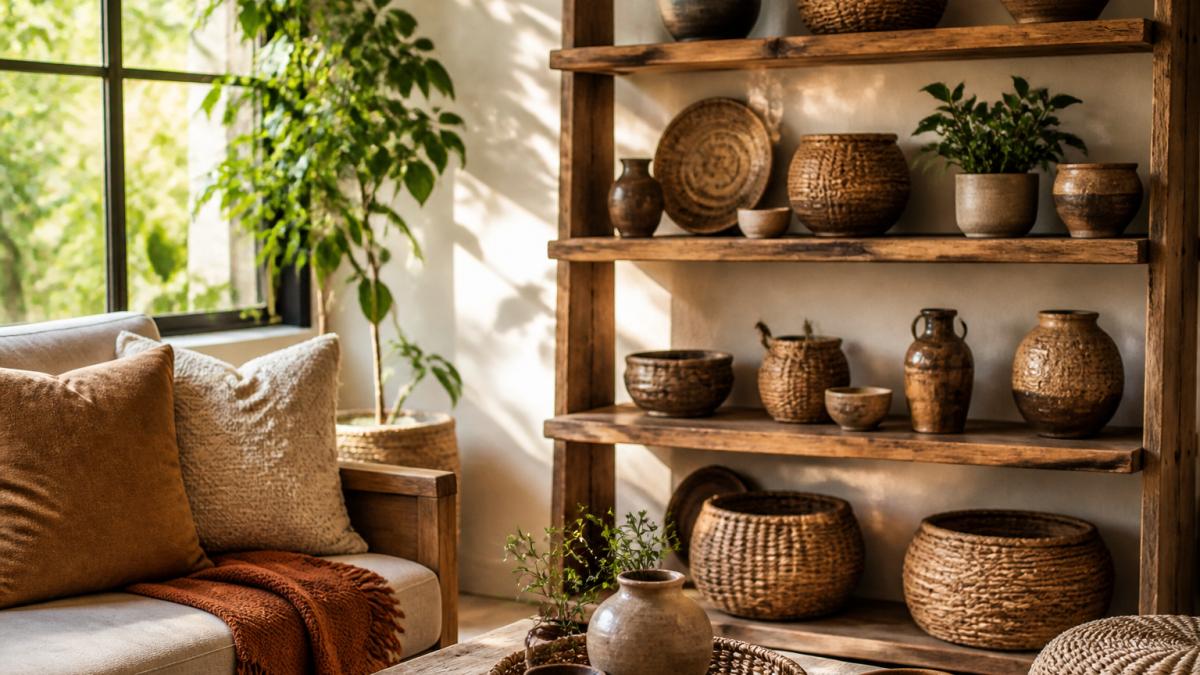
Handcrafted pieces reduce waste by design. An artisan creating a hand-woven basket or hand-painted centerpiece produces minimal scrap compared to industrial manufacturing.
The Artisan Square offers a carefully curated selection of handcrafted home décor that embodies these principles. Our hand-poured soy candles, made from 100% soy beans and blended with natural essential oils, burn cleanly for over 100 hours.

Handcrafted pieces that reduce waste
Handcrafted items inherently produce less waste than industrial manufacturing. Artisans work with intention, using materials efficiently and repurposing scraps.
This efficiency extends to packaging. Artisan producers typically use minimal, recyclable packaging, no excess plastic or foam. Items arrive in paper, cardboard, or cloth wrapping that can be recycled or composted.
Durability ensures that handcrafted pieces remain in use for decades, eliminating the waste cycle of disposable items.
Building a cohesive aesthetic
A sustainable home space achieves coherence through intentional material and color choices rather than matching sets.
Start with a neutral base. Natural wood tones, cream, and soft grays provide a foundation that accommodates diverse artisan pieces.
Resist the urge to fill every surface.
Mix textures intentionally. Smooth ceramics paired with rough woven baskets, polished wood with raw linen, create visual interest and tactile appeal.
Budget and Prioritization: Where to Start
Building a sustainable home space doesn't require replacing everything simultaneously.
Start with energy and water efficiency. These upgrades reduce ongoing utility costs, creating financial payback that offsets initial investment.
Next, prioritize high-use items. Bedding, towels, and frequently-used kitchenware benefit most from sustainable material choices.
Handcrafted décor should grow organically over time.
Consider lifecycle cost, not just purchase price.
The Artisan Square's curated collection offers pieces at various price points.
Making It Work: Renters and Small Spaces
Renters and those living in small spaces often believe they can't prioritize sustainability.
Energy efficiency in small spaces focuses on behavioral changes and portable upgrades.
Water conservation works identically in rentals.
Sustainable décor in small spaces emphasizes quality over quantity.
Vertical storage using handwoven baskets or wooden shelving maximizes space while maintaining aesthetic coherence.
Renters benefit from The Artisan Square's portable collection.
Measure Your Progress and Avoid Greenwashing
A sustainable home space requires ongoing assessment. Are your energy bills declining?
Track utility consumption monthly. Compare your current usage to baseline measurements from before implementing changes.
Monitor waste generation. Weigh your trash weekly and track what you're discarding.
Greenwashing, marketing products as sustainable without substantive environmental benefit, is rampant in home décor. Avoid these common traps:
Products labeled "eco-friendly" without specific certifications or transparency. Legitimate sustainable products explain exactly how they're environmentally responsible. Vague claims lack credibility.
Items marketed as "natural" that contain synthetic materials. "Natural" is unregulated marketing language; certifications from organizations like the Global Organic Textile Standard (GOTS) provide verifiable standards.
Sustainable branding paired with unsustainable production.
The most reliable indicator of genuine sustainability is transparency.
Building a sustainable home space is a journey, not a destination.
Frequently Asked Questions
How do I know if home decor is actually sustainably made and not just greenwashing?
Look for transparency about materials, production methods, and maker credentials. Ethically sourced home decor should come with clear information about where and how it was made. Ask sellers about certifications, recycled or natural material content, and the maker's story. Handcrafted pieces from artisans often provide this detail naturally, whereas mass-produced items marketed as 'eco-friendly' may lack specifics. Request photos of the maker or workshop if possible.
What's the best way to curate a sustainable home space on a budget?
Start by prioritizing high-impact changes: energy-efficient lighting, water-saving fixtures, and insulation improvements deliver measurable utility savings. For artisan home decor, buy fewer, higher-quality pieces rather than many cheap items. Handcrafted decor often lasts longer, reducing replacement waste. Focus one room at a time, and choose timeless designs over trends. Look for upcycled or reclaimed pieces, which cost less than new sustainable alternatives while reducing landfill impact.
Can I create a sustainable home space if I rent?
Yes. Renters can focus on non-permanent changes: removable LED lighting, portable plants, washable area rugs, and freestanding artisan decor. Avoid major renovations; instead, layer sustainable choices within your lease terms. Handcrafted items and natural textiles move with you to your next home. Water-saving showerheads and faucet aerators are often removable. Talk to your landlord about temporary upgrades like weather stripping or window treatments that improve insulation without permanent damage.
How does artisan home decor reduce my household carbon footprint?
Handcrafted pieces are typically made locally or regionally, reducing shipping emissions compared to mass-produced imports. Artisan decor often uses recycled, reclaimed, or natural materials with lower production carbon than synthetic alternatives. Because handmade items are durable and unique, they discourage frequent replacement, cutting the waste and emissions from manufacturing new goods. Supporting small-scale makers also reduces the energy-intensive infrastructure of large factories and warehouses.
What materials should I prioritize for sustainable home decor?
Look for recycled materials, reclaimed wood, natural fibers like cotton and jute, and certified sustainable sources. Avoid single-use plastics and synthetic fabrics with high environmental impact. Handcrafted decor often features these materials naturally. Check product listings for material transparency. Durability matters: solid wood, metal, and natural ceramics last decades, while cheaper composites end up in landfills. Upcycled pieces, like furniture made from reclaimed materials, combine sustainability with uniqueness.
How can I find ethically sourced home decor that matches my style?
Shop from artisan marketplaces and makers who provide transparent sourcing information and maker stories. Look for handcrafted items with consistent quality and clear production details. Ethically sourced decor doesn't mean sacrificing aesthetics; many artisans create pieces in modern, minimalist, or traditional styles. Visit maker websites or contact sellers directly to confirm fair wages, safe working conditions, and material sourcing. Support small-scale producers who can explain their entire supply chain.