

Last Updated: November 21, 2026
Quick Summary
Consistency matters in handmade skincare because small batches vary a little, so steady daily use is how you learn what your skin actually responds to. Use one product for four to six weeks before judging it, rather than changing several things at once.
- Give a new product at least four to six weeks before you judge it.
- Patch test on the inner forearm or behind the ear for 24 hours, then repeat on a second spot.
- Introduce one new product at a time and keep it for one to two weeks before adding another.
- Use exfoliating scrubs two to three times per week, not daily.
- Keep a weekly log of how your skin feels and take a photo in consistent lighting.
Table of Contents
- Why Consistency Matters More With Handmade Skincare
- How Long Skincare Takes to Work and What to Expect
- How to Build a Simple Skincare Routine You Can Keep Up
- How to Introduce New Handmade Products Safely
- Storage, Stability and What to Do When a Batch Changes
- Tracking Your Routine and Whether It Is Working
- Skincare Routine Checklist for Handmade Products
- Start Your Routine With Products You Can Trust
- Frequently Asked Questions
Why Consistency Matters More With Handmade Skincare
Handmade skincare works best when you use it the same way, every day. Small batches vary a little, so steady use is how you learn what your skin actually responds to. Skipping days or switching products often makes it hard to tell what is working.
The Artisan Square carries a range of natural products made in small batches. That makes routine matter more than it would with a mass-produced cream. A consistent routine gives your skin a stable baseline to react to.
Handmade items can show natural variation, so your routine works best when you stick with one product at a time.
Consistency also helps you avoid guessing. When you change several things at once, you cannot tell which one helped or hurt. Use one product for a few weeks, then decide.
A consistent routine does not promise immediate changes. Treat handmade skincare as a long-term habit, not a quick fix.
How Long Skincare Takes to Work and What to Expect
Most skincare takes several weeks to show any change. Skin renews itself slowly, so the first few days rarely tell you much. Give a new product at least four to six weeks before you judge it.
Expect some ups and downs. Your skin may feel a little different in the first week as it adjusts. Mild dryness, tightness or a short adjustment period can be normal, but stop and check in if you have redness, burning or itching.
Keep your expectations realistic. Your skin may feel softer and smoother with regular use. Deep concerns take longer than a few days to change. For persistent skin problems, a licensed professional can offer guidance.
How to Build a Simple Skincare Routine You Can Keep Up
A simple routine is one you will actually keep doing. Start with three basics: cleanse, moisturize and exfoliate once in a while. Each step should have a clear job.
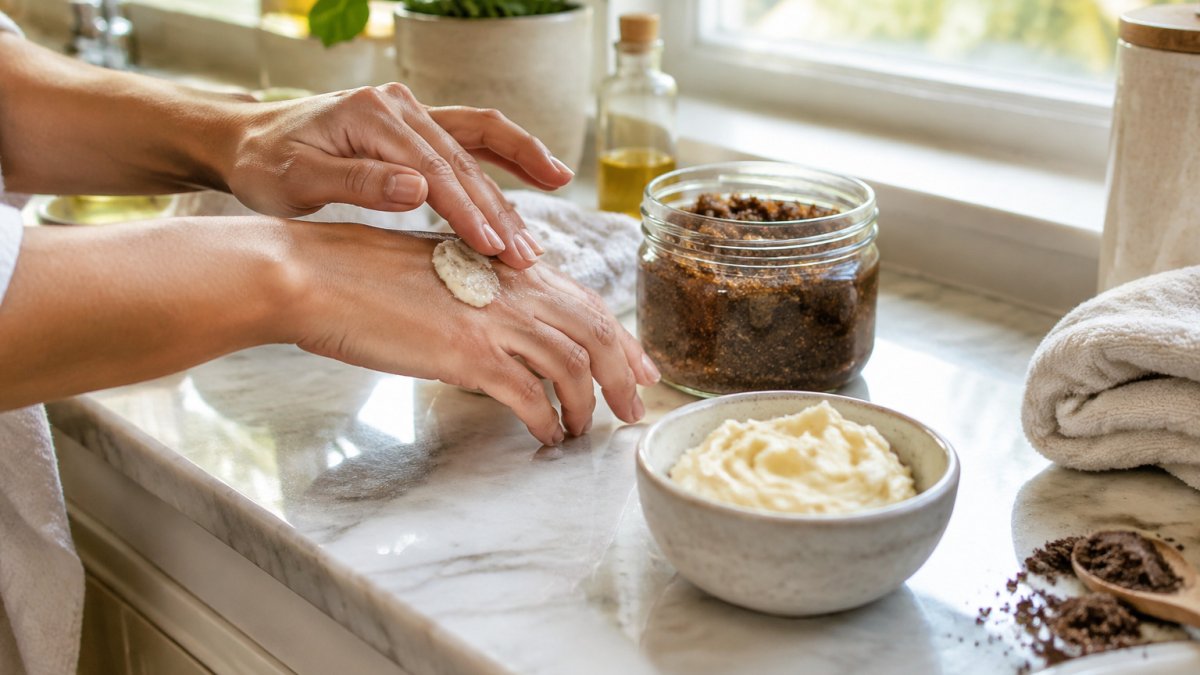
Many people give up on complicated routines within a few weeks. Fewer steps are easier to repeat every day, which is what makes consistency possible.
Try this starter plan:
- Morning: Rinse or cleanse gently, then apply a light moisturizer.
- Evening: Cleanse, then apply a richer moisturizer like shea butter.
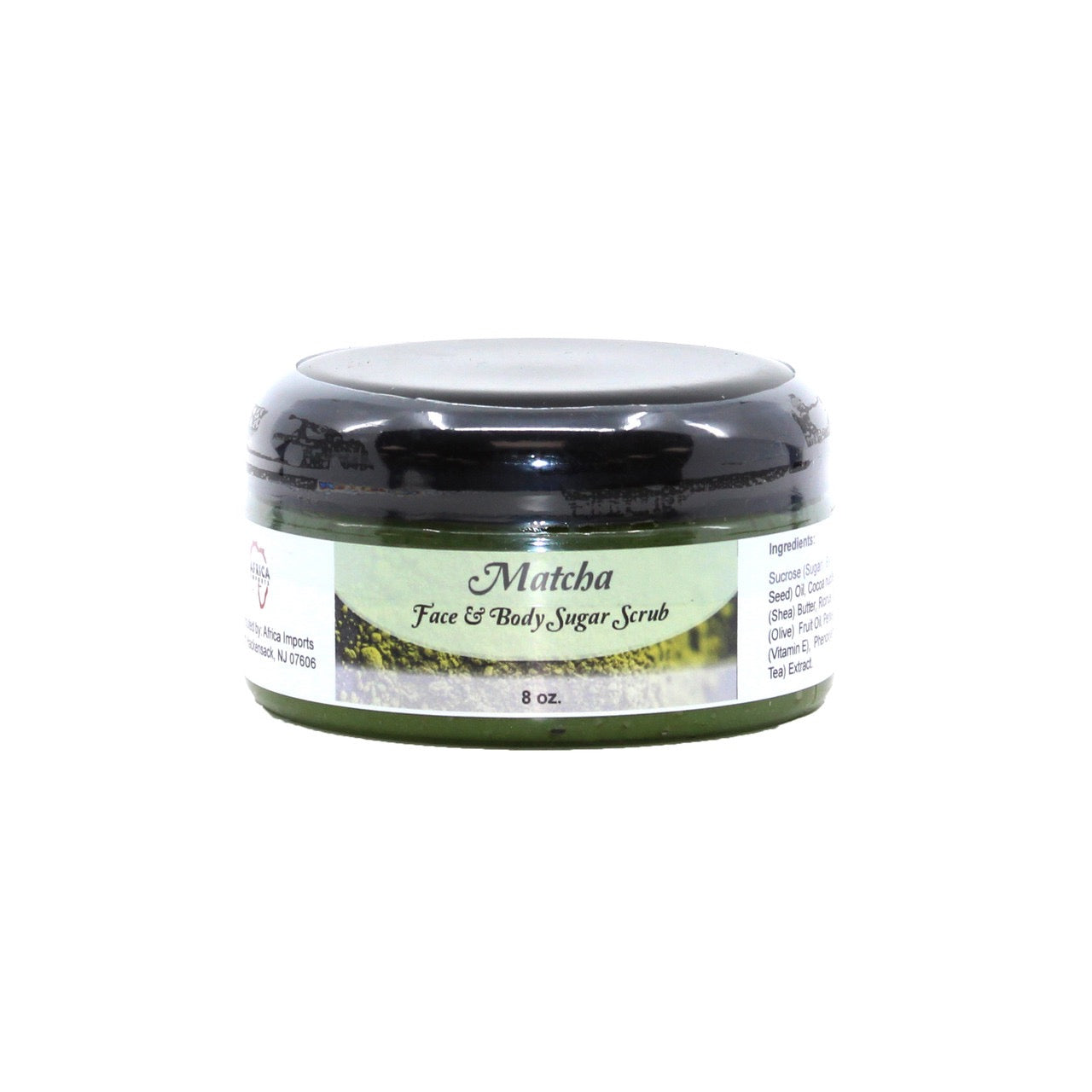
- Twice a week: Use an exfoliating scrub, such as the Matcha Face & Body Sugar Scrub, for two to three uses per week.
Pick a time you already do something else, like brushing your teeth. Linking the routine to an existing habit makes it easier to remember.
How to Introduce New Handmade Products Safely
Introduce new products one at a time so you can tell what is causing any reaction. The goal is to separate a normal adjustment period from a genuine adverse reaction.
Start with a patch test, but treat it as a two-stage check rather than a single dab. Apply a small amount to the inner forearm or behind the ear and leave it for 24 hours. If there is no redness, itching, or swelling, repeat on a second small area for another 24 hours. Watching for two clean days gives you a more reliable signal than one.
Once the patch test clears, introduce the product on its own for at least one to two weeks before adding anything else new. Use it at the frequency on the label, not more. A foaming scrub recommended two to three times a week is not a daily product, and using it more often is one of the most common ways people mistake overuse for a bad batch.
Expect a short adjustment window. Mild tightness, slight dryness, or a temporary change in texture in the first few days can be the skin responding to a new emollient or surfactant. Watch out: burning, stinging that lasts beyond a few minutes, spreading redness, or raised bumps are not normal adjustment and are a reason to stop and reassess.
Read the ingredient list before the first use, not after a reaction. If you have known sensitivities to essential oils, fragrance components, or specific botanicals, check for them first. Handmade labels often list ingredients in plain language, which makes this easier than decoding an INCI list on a commercial product.
Keep a simple record of what you introduced and when. If a reaction appears, that record tells you whether the cause is the new product, a change in frequency, or something else in your routine. Without it, you are guessing.
Storage, Stability and What to Do When a Batch Changes
Storage and handling affect how long a product stays usable and how consistently it performs. Treat storage as part of the routine, not an afterthought.
Store products away from heat and direct sunlight, and keep lids closed between uses. Bathrooms are convenient but humid; a closed cabinet in a cooler room is usually a better home for products you use less often. Use clean, dry hands or a clean spoon or spatula to take product out of a jar. Introducing water or debris from fingers is one of the most common routes to contamination in handmade creams and scrubs.
Pay attention to the shelf life stated on the label, and treat it as a real deadline once the product is opened. Check each product for a stated shelf life and use it within the timeframe on the label.
Color, scent, and texture can shift slightly from one batch to the next in handmade products. A small difference is not automatically a problem. Stop using a product if it develops a sour or rancid smell, visible mold, or a changed texture.
When a product you rely on changes between orders, compare before you apply. Check the ingredient list against the previous label, look at the batch details if the maker provides them, and do a patch test again rather than assuming the new jar behaves like the old one. If your skin responds differently, pause the product and reintroduce it slowly. That sequence, compare, patch test, reintroduce, is what turns a batch change from a guessing game into a manageable variable.
Tracking Your Routine and Whether It Is Working
Keep a simple log. Write down the date, the products you used and how your skin felt. A few notes each week will show patterns you might otherwise miss.
Take a photo in the same light once a week. Photos help you see gradual change that is hard to notice day to day.
Review your log every four to six weeks. If your skin is improving and you feel comfortable, keep going. If you are seeing new irritation, stop the product and reassess.
Skincare Routine Checklist for Handmade Products
Use this checklist to stay on track:
- Choose one core product to start with
- Patch test before full use
- Follow the directions on the label
- Store products away from heat and sunlight
- Keep a weekly log of how your skin feels
- Take a weekly photo in consistent lighting
- Review progress after four to six weeks
- Stop and seek advice if irritation persists
Start Your Routine With Products You Can Trust
Consistency is what turns handmade skincare into a habit that works. Start with one product, use it as directed and give it time. The Artisan Square offers natural shea butter, a Matcha Face & Body Sugar Scrub and a Foaming Coffee Sugar Scrub to help you build a simple routine you can keep up. Browse the collection and pick one product to start with this week.

Frequently Asked Questions
How long does it take to see results from a consistent skincare routine?
Skin usually needs several weeks of regular use before changes become visible, and some changes take months. Research and expert guidance on skincare routines note that consistency creates the conditions for improvement but does not guarantee immediate results. Keep your routine steady, avoid switching products every few days, and judge progress by comparing photos or notes taken at the same time of day over a month or more. If you notice persistent irritation or no change after a few months, a licensed professional can help you reassess.
How do you build a simple handmade skincare routine?
Start with three steps: cleansing, moisturizing and, if your skin tolerates it, gentle exfoliation two or three times a week. A product such as the Foaming Coffee Sugar Scrub Face & Body Exfoliator (8 oz) can be used two to three times a week according to its directions, while a plain whipped Shea Butter can serve as a moisturizer for skin or hair. Keep the routine small enough that you can repeat it daily, and add anything new only after the basics feel comfortable.
How should you introduce a new natural skincare product?
Introduce one new product at a time so you can tell what is causing any reaction. Apply a small amount to a limited area, such as the inner forearm or behind the ear, for a few days before wider use. Follow the directions listed on the product, and stop using it if irritation occurs. Wait a couple of weeks before adding another product, so a reaction can be traced to its source.
Can you use handmade skincare products every day?
It depends on the product. Some listings, such as the Matcha Face & Body Sugar Scrub, recommend use two to three times per week, while moisturizers like the 100% Natural African Shea Butter are applied as needed. Follow each product's directions rather than using every item daily, and reduce frequency if your skin becomes irritated or dry.
