

Last Updated: November 1, 2026
Quick Summary
The best afro-textured hair conditioner depends on the job: choose a rich rinse-out with slip for detangling, a moisture-focused deep conditioner for elasticity, and a water-based leave-in for between wash days. Look for humectants like glycerine, aloe vera, and shea butter, and match the formula to your porosity.
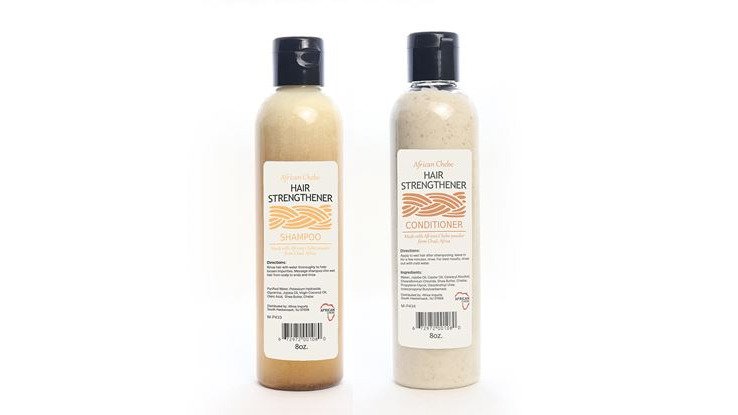
- Chebe, jojoba oil, castor oil, and shea butter make the African Chebe set our top pick for length retention.
- Rinse-out conditioner is left on two to five minutes, while deep conditioner stays on 15 to 30 minutes.
- Low-porosity hair should use lighter, water-based deep conditioners with gentle heat for 15 to 20 minutes.
- Follow two to three moisture deep conditions for every one protein treatment, adjusting to how hair feels.
- Apply leave-in to damp hair in four to eight sections, working mid-shaft to ends first.
Table of Contents
- How We Chose the Best Conditioners for Afro-Textured Hair
- Comparison Table: Afro-Textured Hair Conditioners at a Glance
- 1. Shampoo & Conditioner Set (African Chebe): Best for Length Retention
- 2. Shampoo & Conditioner (Black Castor Oil): Best for Dry, Brittle Strands
- 3. Shampoo & Conditioner-Rosemary & Mint: Best for Scalp Care
- 4. Chebe Powder: Best Deep Treatment Booster for Type 4 Hair
- The Best Leave-In Conditioner for Natural Hair: What to Look For
- Choosing a Deep Conditioner for Type 4 Hair
- Frequently Asked Questions
How We Chose the Best Conditioners for Afro-Textured Hair
Finding the best afro-textured hair conditioner starts with one truth: moisture is structural maintenance for coils and kinks. This shortlist focuses on conditioners that prioritize hydration, detangling slip, and length retention over marketing language, judging ingredient lists first, then directions, then fit into a Type 4 wash day.
Our criteria were simple and consistent:
- Ingredient transparency. We favored formulas that list oils, butters, and botanicals clearly, with no vague "fragrance blend" doing the heavy lifting.
- Slip and detangling. A conditioner for detangling natural hair needs enough body to separate strands without tugging.
- Humectants and sealants. Glycerine, shea butter, and jojoba oil show up repeatedly in the formulas below because they hold moisture where coarse hair needs it most.
A narrative review of Afro-textured hair care research indexed in PubMed Central examined traditional and natural treatments, including chebe powder and aloe vera, and confirmed that this category deserves ingredient-level scrutiny rather than blanket claims. That is the lens we used.
Comparison Table: Afro-Textured Hair Conditioners at a Glance
| Product | Price | Best For | Key Ingredients | Format |
|---|---|---|---|---|
| Shampoo & Conditioner Set (African Chebe) | $35.00 | Length retention | Chebe, jojoba oil, shea butter, castor oil | Rinse-out set |
| Shampoo & Conditioner (Black Castor Oil) | $34.99 | Dry, brittle strands | Jamaican black castor oil, shea butter, coconut oil | Rinse-out set |
| Shampoo & Conditioner-Rosemary & Mint | $34.99 | Scalp care | Rosemary extract, aloe vera, decyl glucoside | Rinse-out set |
| Chebe Powder | $60.00 | Deep treatment booster | Pure chebe powder, no additives | Treatment additive |
1. Shampoo & Conditioner Set (African Chebe): Best for Length Retention
Apply after shampooing, leave it in for a few minutes, and rinse with cool water.
Best for: Type 4 hair focused on breakage reduction and length retention. Skip if: you need a lightweight formula for fine, low-density strands, since the shea butter base runs rich.
You can shop the African Chebe shampoo and conditioner set directly if this is the routine you want to start with.

2. Shampoo & Conditioner (Black Castor Oil): Best for Dry, Brittle Strands
This set includes Jamaican black castor oil, shea butter, and virgin coconut oil in the shampoo and conditioner. You can shop the Black Castor Oil shampoo and conditioner set if your strands are dry and brittle. The shampoo removes product build-up.

Apply to wet hair after shampooing, leave in for a few minutes, and rinse with cool water.
3. Shampoo & Conditioner-Rosemary & Mint: Best for Scalp Care
This rosemary and mint set lists rosemary, aloe vera, and decyl glucoside and lauryl betaine among its ingredients.
Massage the shampoo from scalp to ends and rinse.
Check the Rosemary & Mint shampoo and conditioner set if scalp comfort is your starting point.

4. Chebe Powder: Best Deep Treatment Booster for Type 4 Hair
Chebe Powder is not a conditioner on its own. It is a pure, undiluted botanical from Chad, sold as 113 grams (4 oz). You can purchase the Chebe Powder to add to your deep treatment routine.
Skip if: you want a ready-to-use product, since this is an additive, not a standalone conditioner.
Shampoo & Conditioner Set (African Chebe) →
The Best Leave-In Conditioner for Natural Hair: What to Look For
A leave-in conditioner is not a rinse-out with a different label. It stays on the strand for days, so the formula has to add moisture without creating the buildup that makes coils feel coated, stiff, or dusty by midweek.
First, separate the three conditioner jobs
Most wash-day confusion comes from asking one product to do three jobs. They are not interchangeable:
- Rinse-out conditioner. Used in the shower after shampooing, left on two to five minutes, then rinsed. Its job is slip and surface smoothing for detangling without breakage, not long-term moisture.
- Deep conditioner. Left on 15-30 minutes (often under a plastic cap or gentle heat), then rinsed. Its job is restoring elasticity and moisture balance after cleansing, and it is where protein or strengthening treatments belong.
- Leave-in conditioner. Applied to damp hair after rinsing and not rinsed out. Its job is holding moisture between wash days and giving a light base for styling; it is the lightest of the three by design.
A common pattern is to use all three in one wash day: rinse-out for detangling, deep conditioner for recovery, leave-in for the week ahead. If you only have time for two, keep the rinse-out and leave-in and rotate the deep treatment in every other wash.
What to look for in a leave-in
- Water as the first ingredient. A leave-in without water near the top is closer to a butter or oil and will sit on the surface rather than absorb.
- A humectant early in the list. Glycerine, honey, aloe vera, or panthenol draw water toward the strand. Glycerine works well in humid climates; in very dry, cold air it can draw moisture out of the hair instead, so a humectant-light formula can be safer in winter.
- Light oils rather than heavy butters. Jojoba, grapeseed, and sweet almond oil spread and absorb more readily than shea or castor in a leave-in. Save heavy butters for sealing or deep conditioning.
Match the leave-in to your porosity and pattern
- Low porosity (water beads on the strand, products sit on top). Choose water-light, glycerine-forward leave-ins and apply to damp, not soaking, hair; too much product will sit on the cuticle.
- High porosity (hair drinks water fast and dries fast). Choose richer leave-ins with a light butter or oil higher in the list, and layer a sealant over the ends.
- Type 4a-4b coils. A cream-based leave-in gives more hold and definition; a liquid leave-in works better as a refresher between washes.
How to apply it so it actually works
- Apply to damp hair within a few minutes of rinsing, while the cuticle is still receptive.
- Section the hair into four to eight parts and work from mid-shaft to ends first, then lightly through the roots.
- Rake or smooth with your fingers or a wide-tooth comb rather than scrunching, which can cause frizz on coils.
- Seal the ends with a light oil if your hair dries out quickly.
- Refresh midweek with water and a small amount of leave-in rather than reapplying heavily, the most common cause of buildup.
If buildup is a recurring problem, before adding another layer to your routine.
Choosing a Deep Conditioner for Type 4 Hair
A deep conditioner for Type 4 hair has one job the rinse-out cannot do: restore elasticity and moisture balance after cleansing, so strands bend without snapping. Before you choose one, you can check whether your current hair care is hiding sulfates. Getting that right is less about the label and more about matching the formula to what your hair needs at that moment.
The three things a deep conditioner should do
- Restore moisture. Humectants and emollients pull water in and hold it: glycerine, honey, aloe vera, shea butter, and oils such as jojoba or avocado.
- Improve elasticity. Healthy hair stretches and returns; hair that snaps quickly is usually low on moisture or overloaded with protein.
- Reduce breakage over time. Consistent deep conditioning is one of the most reliable length-retention habits for Type 4 hair, limiting the mechanical damage that comes from detangling dry, brittle strands.
Moisture versus protein: how to decide
This is the decision most people get wrong. Protein strengthens; moisture softens. Too much of either creates a problem.
- Choose a moisture-focused deep conditioner if your hair feels dry, rough, or snaps without much stretch. This is the default for most Type 4 hair most of the time.
- Choose a protein-focused deep conditioner only if your hair is genuinely over-processed, after color, relaxer, or repeated heat damage, or if it feels mushy and stretches too far before breaking. Use it occasionally, not every wash.
- Avoid weekly protein on low-porosity hair. A common pattern is stiffness and straw-like texture after repeated protein treatments, because the cuticle is already tight.
A practical rhythm many people with Type 4 hair follow is two to three moisture deep conditions for every one protein treatment, adjusting based on how the hair feels rather than a fixed calendar.
Match the formula to your porosity
- Low porosity. The cuticle is tight and resists water, so heavy butters can sit on top. Choose lighter, water-based deep conditioners and use gentle heat, a warm towel or plastic cap, for 15-20 minutes to help the cuticle open. Rinse lukewarm, not hot.
- High porosity. The cuticle is raised and loses moisture quickly. Choose richer formulas with shea butter, castor oil, or heavier emollients, and follow with a sealant on the ends; these strands benefit most from consistent deep conditioning.
- Medium porosity. Most formulas work; focus on consistency and on not overloading with protein.
How to deep condition for real results
- Start with clean, damp hair; deep conditioner applied over heavy buildup cannot reach the strand.
- Section the hair and apply generously from mid-shaft to ends, then lightly through the roots.
- Cover with a plastic cap. For low-porosity hair, add gentle heat for 15-20 minutes; for high-porosity hair, 20-30 minutes at room temperature is usually enough.
- Rinse thoroughly with lukewarm water; residue left behind attracts dust and weighs curls down.
- Follow with a leave-in and a light sealant on the ends.
Frequency
Most people with Type 4 hair deep condition once a week, or every other wash if their hair is healthy and well-moisturized. If hair feels brittle, increase to weekly before adding new products; if it feels mushy or overly soft, space treatments out and check whether you are over-moisturizing without enough protein.
Both of these products from The Artisan Square, the African Chebe set and the Chebe Powder, contain chebe.
Frequently Asked Questions
How do I choose the best conditioner for afro-textured hair?
Start with your hair's porosity and your main problem. Low porosity hair that repels water does better with lighter, water-based conditioners and gentle heat during conditioning. High porosity hair that loses moisture fast needs heavier options with shea butter or castor oil. Match the conditioner type to your goal too: rinse-out for weekly softening, a deep conditioner for type 4 hair once or twice a month, and a leave-in for daily moisture between washes.
Is rinse-out or leave-in conditioner better for afro-textured hair?
Both do different jobs, so most routines need both. A rinse-out conditioner smooths the cuticle and gives slip for detangling, then gets rinsed away. A leave-in conditioner stays on the hair and keeps feeding moisture over the following days. If you only pick one, choose based on your wash frequency: frequent washers benefit most from a good rinse-out, while protective-style wearers get more from a leave-in.
How can I prevent product buildup when conditioning natural hair?
Apply conditioner from mid-shaft to ends and keep heavy creams off your scalp. Rinse with warm water for at least 30 seconds longer than feels necessary, and use a clarifying wash every four to six weeks. Water-based leave-ins layered under heavier creams also reduce the waxy film that causes dullness and flaking. If your hair feels coated after wash day, you are using too much product or not rinsing thoroughly enough.
Can conditioner help with dry, brittle natural hair?
Conditioners containing shea butter, jojoba, or castor oil are among the ingredients in several products in this range.
What ingredients should I look for in a conditioner for afro-textured hair?
Look for water as the first ingredient, then emollients and oils such as shea butter, jojoba, castor oil or coconut oil, plus conditioning agents like cetearyl alcohol that add slip without stripping. Avoid heavy silicones near the scalp if you co-wash often, since they can build up without sulfate cleansing.
