

Last Updated: November 10, 2026
Quick Summary
Chebe shampoo is a cleansing product designed to support length retention by helping hair resist breakage, not by making it grow faster from the scalp. The African Chebe Shampoo from The Artisan Square is mixed with chebe powder and is meant to be used as part of a regular wash routine. Results depend on hair type and gentle handling, and consistency over several months matters.
- Chebe shampoo cleans hair while chebe helps existing length hold on, reducing breakage.
- It does not change hair's growth rate or grow hair from the roots.
- Results depend on hair type, texture and how gently you handle hair.
- Breakage reduction is more likely to show than growth, and consistency over months matters.
- Detangle dry hair in sections, apply shampoo to the scalp, and seal the ends after washing.
Table of Contents
- What Chebe Shampoo Does for Hair Length and What It Cannot Do
- African Chebe Shampoo Reviews: What Users Report and What the Evidence Shows
- Chebe Shampoo for Natural Hair: Cleansing Without Stripping Moisture
- How Often to Use Chebe Shampoo for Your Hair Type and Scalp
- A Wash-Day Routine for Length Retention with Chebe Shampoo
- Ingredient Sensitivities and Choosing the Right Chebe Product
- Booking Your First Chebe Wash Day: Start with the 8 oz Shampoo
- Frequently Asked Questions
What Chebe Shampoo Does for Hair Length and What It Cannot Do
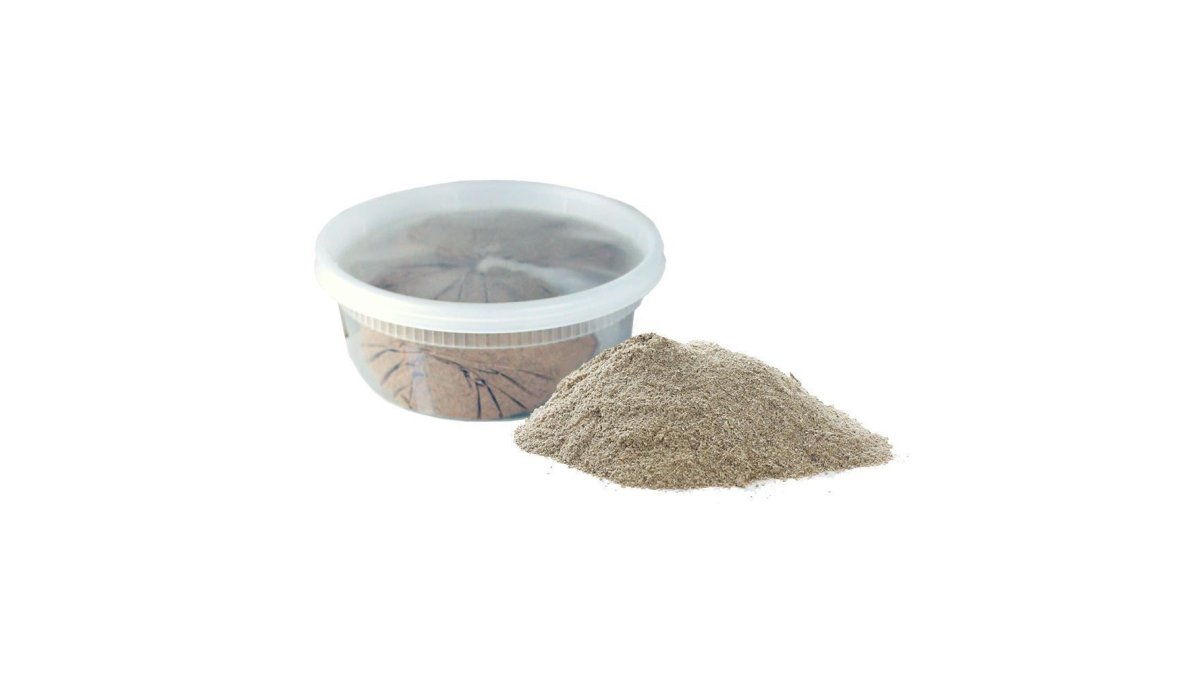
African chebe shampoo is a cleansing product made to support length retention, the goal of keeping hair from snapping off before it can grow longer. The African Chebe Shampoo from The Artisan Square is mixed with chebe powder and designed to be used as part of a regular wash routine.
Here is the key idea: the shampoo cleans, and the chebe is there to help hair hold on to the length it already has. It does not make hair grow faster from the scalp. Keeping that difference in mind sets the right expectations from the start.
- What it can help with: less breakage, smoother strands, and hair that is easier to manage
- What it cannot do: change your hair's growth rate or grow hair from the roots
Evidence and limitations of Chebe
Most of what you read about chebe comes from product pages, retailer listings and personal stories. Those sources describe experiences, but they are not controlled studies.
A few honest limits to keep in mind:
- Results depend on hair type, texture and how gently you handle it
- Breakage reduction is more likely to show than growth
- Consistency over several months matters more than one wash
We recommend tracking your hair length and breakage monthly, so you can judge the results for your own hair instead of relying on promises.
African Chebe Shampoo Reviews: What Users Report and What the Evidence Shows
A common mistake is reading only the five-star reviews. Look for patterns instead. If many people mention dryness, that is worth noting.
Before you buy, read the full ingredient list and the directions. The shampoo is meant to be massaged into wet hair from scalp to ends, then rinsed. Using it that way gives the formula the best chance to do its job.
Chebe Shampoo for Natural Hair: Cleansing Without Stripping Moisture
Natural hair needs cleaning, but harsh cleansers can leave it dry and tangled. A gentler shampoo removes dirt and buildup while keeping enough oil in place.
The African Chebe Shampoo includes jojoba oil, virgin coconut oil and shea butter among its listed ingredients. Check the label if sulfate-free formulas matter to you.
To keep moisture in place:
- Rinse hair with water first to loosen impurities
- Use a small amount and massage it in from scalp to ends
- Follow with a conditioner, such as the matching set, to seal in softness
How Often to Use Chebe Shampoo for Your Hair Type and Scalp
There is no single schedule that fits everyone, and any guide that promises one is oversimplifying. The right frequency depends on your scalp, your hair texture, and how much product you use between washes.
Start with once a week for most natural hair. That is a practical baseline for medium-density, medium-porosity hair that is not prone to buildup.
Adjust by scalp type:
- Dry scalp: Wash less often, every 10 to 14 days, and focus the shampoo on the scalp rather than the ends. Follow with a conditioner and a leave-in that suits dry hair. If tightness persists, check whether your water is hard; a filtered shower head or a final rinse with distilled water can help.
- Oily scalp: Wash every five to seven days. Oiliness is not a sign that you are washing too much; it is often genetic or hormonal. Use the shampoo on the scalp and let it rinse through the ends.
- Flaky or itchy scalp: Wash weekly with the shampoo, and avoid scratching with nails. If flaking persists after two to three weeks of gentle cleansing, see a dermatologist, because flaking can have causes that shampoo will not fix.
Adjust by hair texture and style:
- Fine hair: Wash weekly and use a lightweight conditioner. Heavy butters can weigh fine hair down and make it look stringy.
- Coily and kinky hair: Wash every 10 to 14 days if your scalp tolerates it, and always detangle in sections before washing. Protective styles can stay in for two to four weeks, but cleanse the scalp in between with a diluted shampoo or a scalp rinse if you notice buildup.
- Color-treated or relaxed hair: Wash weekly with a gentle shampoo and follow with a moisturizing conditioner. Relaxed hair can be more prone to breakage at the line of demarcation, so handle new growth gently.
Watch for these signals and adjust:
- Scalp feels tight or dry: space washes further apart or reduce the amount of shampoo.
- Hair feels heavy or coated: cleanse a bit sooner, or use a clarifying rinse once a month.
- Hair snaps more: check your detangling and handling before blaming the shampoo. Breakage often comes from rough detangling, tight styles, or dry ends, not from the cleanser itself.
Adjust in small steps and give each change a few weeks before deciding if it works. A simple way to track progress is to note the date of each wash, how your scalp felt, and how many broken pieces you saw on wash day.
A Wash-Day Routine for Length Retention with Chebe Shampoo
A repeatable wash-day routine is the backbone of length retention. The goal is not a perfect wash; it is a gentle, predictable sequence you can repeat every week or two without causing the breakage that erases growth. Here is a step-by-step order that works for most textured hair, with the reasoning behind each step so you can adapt it.
- Detangle dry hair first, in sections. Work in four to eight sections, depending on density. Use your fingers, then a wide-tooth comb, starting at the ends and moving up. Detangling dry hair causes less breakage than detangling wet hair, which is more fragile. Watch out: if you hear snapping, stop and add a little oil or leave-in to the section before continuing.
- Rinse with warm, not hot, water. Warm water loosens dirt and buildup and opens the cuticle slightly. Hot water can leave the scalp feeling tight and the strands dry. Spend 30 to 60 seconds saturating the hair fully before applying shampoo.
- Apply shampoo to the scalp first, then let it travel. Pour a small amount, about a quarter-sized pool for shoulder-length hair, into your palm, rub hands together, and massage into the scalp with fingertips, not nails. Work in rows from the hairline to the crown. Let the lather run down the lengths as you rinse; you do not need to scrub the ends, which are older and more fragile.
- Rinse thoroughly, then repeat only if needed. Buildup from oils, butters, and powders can require a second cleanse. If your hair feels coated after the first rinse, repeat with half the amount of shampoo. If it feels clean and soft, stop there.
- Apply conditioner from mid-length to ends. Squeeze excess water from the hair first so the conditioner is not diluted. Leave it on for the time stated on the label, typically three to five minutes, then detangle gently with a wide-tooth comb while the conditioner is still in. This is the safest moment to remove shed hairs.
- Rinse with cool water to finish. Cool water helps the cuticle lie flatter, which can reduce friction and tangling during styling. It will not permanently seal the cuticle, but it makes the final rinse more comfortable for most people.
- Seal in moisture and protect the ends. While the hair is still damp, apply a leave-in or a light oil to the ends, then style in a way that keeps the ends tucked away, two-strand twists, flat twists, or a bun with the ends coiled under.
Handle wet hair like it is fragile, because it is. Blot with a cotton T-shirt or microfiber towel instead of a terry towel, and avoid rough rubbing.

Pairing with the conditioner set and Chebe powder
The Shampoo & Conditioner Set pairs the same chebe-based approach with a matching conditioner, so your routine stays consistent. Chebe Powder is the next step for people who want the full traditional routine.
Start with the shampoo and conditioner, then add the powder once you are comfortable with the basic routine.
The seven steps below summarise the wash-day routine the article describes, with the timing or detail it gives for each step.
| Step | What to do | Time or detail |
|---|---|---|
| 1. Detangle | Detangle dry hair in sections | 4-8 sections |
| 2. Rinse | Rinse with warm water | 30-60 seconds |
| 3. Shampoo | Massage into scalp, let lather run down | Quarter-sized pool |
| 4. Second cleanse | Repeat only if hair feels coated | Half the amount |
| 5. Condition | Apply mid-length to ends, detangle | 3-5 minutes |
| 6. Final rinse | Rinse with cool water | Cool water |
| 7. Seal | Apply leave-in or oil to ends, style | While hair is damp |
Ingredient Sensitivities and Choosing the Right Chebe Product
If you have sensitivities, read the ingredient list closely. The African Chebe Shampoo lists purified water, potassium hydroxide, glycerine, jojoba oil, virgin coconut oil, oleic acid, shea butter and chebe.
If you want to avoid sulfates and other detergents, check the full ingredient list, since they are not always obvious on the front of the package. Our guide on Is Your Natural Hair Care Hiding Sulfates? explains what to look for.
For most people, a simple shampoo plus a matching conditioner is a good start. Add Chebe Powder only if you want a more complete routine.
Booking Your First Chebe Wash Day: Start with the 8 oz Shampoo
Ready to try it? The 8 oz African Chebe Shampoo is the easiest place to begin, and it lets you learn the routine without a big commitment. Plan your first wash day, follow the steps above, and note how your hair feels over the next few weeks.
Start your first wash day with the African Chebe Shampoo, add the Shampoo & Conditioner Set for a full routine, and try Chebe Powder once you know what works for your hair.


Frequently Asked Questions
Is African chebe good for hair growth?
Chebe is traditionally used to help hair retain length rather than to make it grow faster. The Chebe Powder listing describes it as helping to strengthen strands, reduce breakage and promote length retention, which means fewer broken ends over time. Hair grows from the scalp at the same pace regardless of products, so any gain you see comes from less breakage. Independent clinical studies on chebe specifically are limited, so treat claims about growth with caution and judge results by how much length you keep over several months.
How often should you use chebe shampoo on natural hair?
Use it on wash day, which for many natural hair routines means once a week or every two weeks. The shampoo directions say to massage it from scalp to ends after wetting hair, then rinse. Textured hair is often dry, so washing too frequently can strip moisture. If your scalp feels dry or your strands feel brittle, space washes further apart and follow with a conditioner. Adjust based on how your hair and scalp respond rather than following a fixed schedule.
Can chebe shampoo help reduce hair breakage?
Chebe is marketed for reducing breakage by strengthening strands and sealing in moisture, and . Breakage is usually caused by dryness, tangling and rough handling, so a shampoo alone rarely solves it. Pair the shampoo with moisturizing conditioner, gentle detangling and protective styles. Track broken hairs in your comb over several weeks to see whether your routine is making a measurable difference.
Which shampoo is best for hair length retention?
The best shampoo for length retention is one that cleans without stripping moisture and fits your hair type. The African Chebe Shampoo (8 oz, 24.99) is formulated with jojoba oil, virgin coconut oil and shea butter, and is paired with a conditioner in a set priced at 35.00. Check ingredients against any sensitivities you have, and give any product several consistent wash days before judging it.
